
November 19, 2025
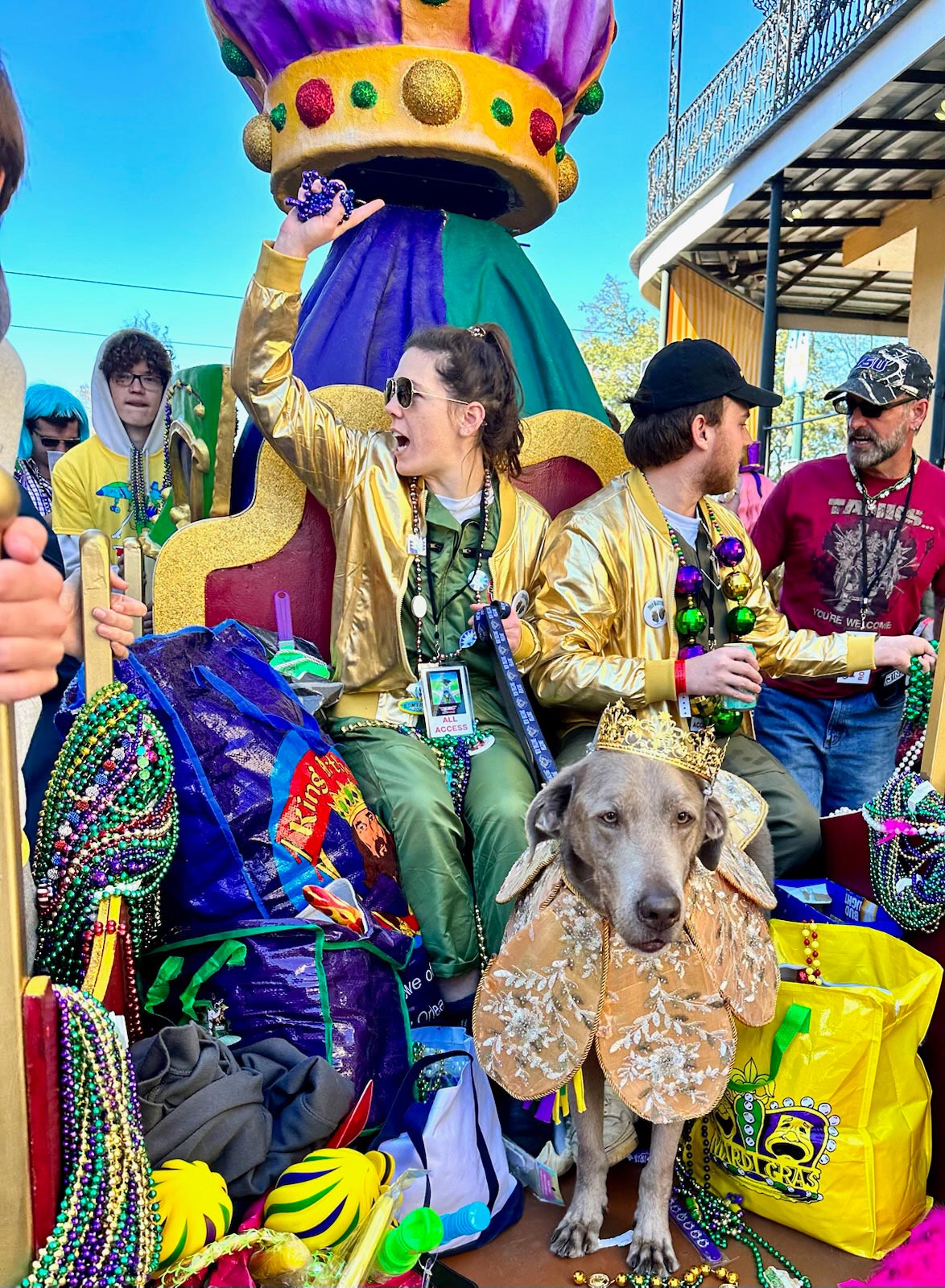
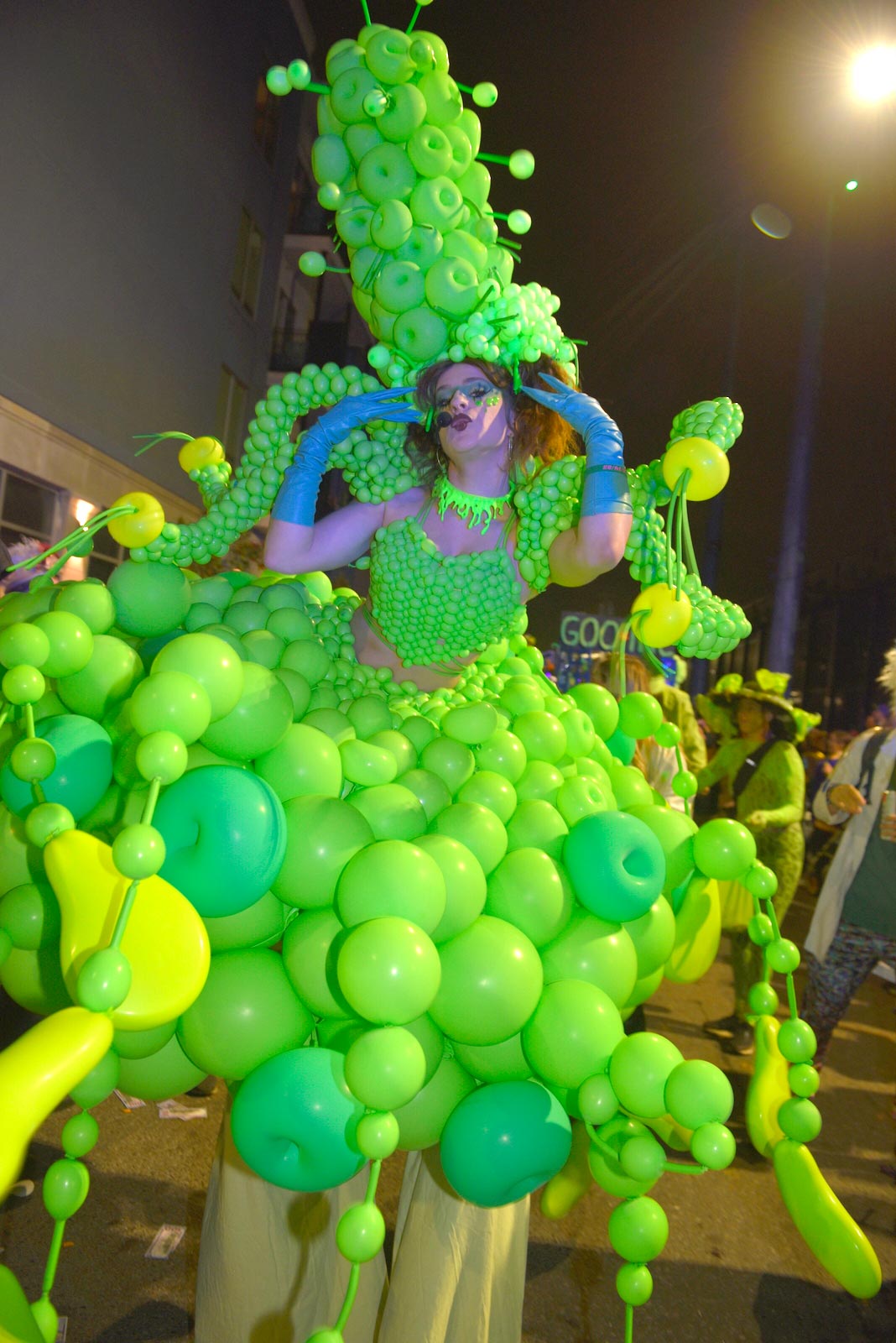
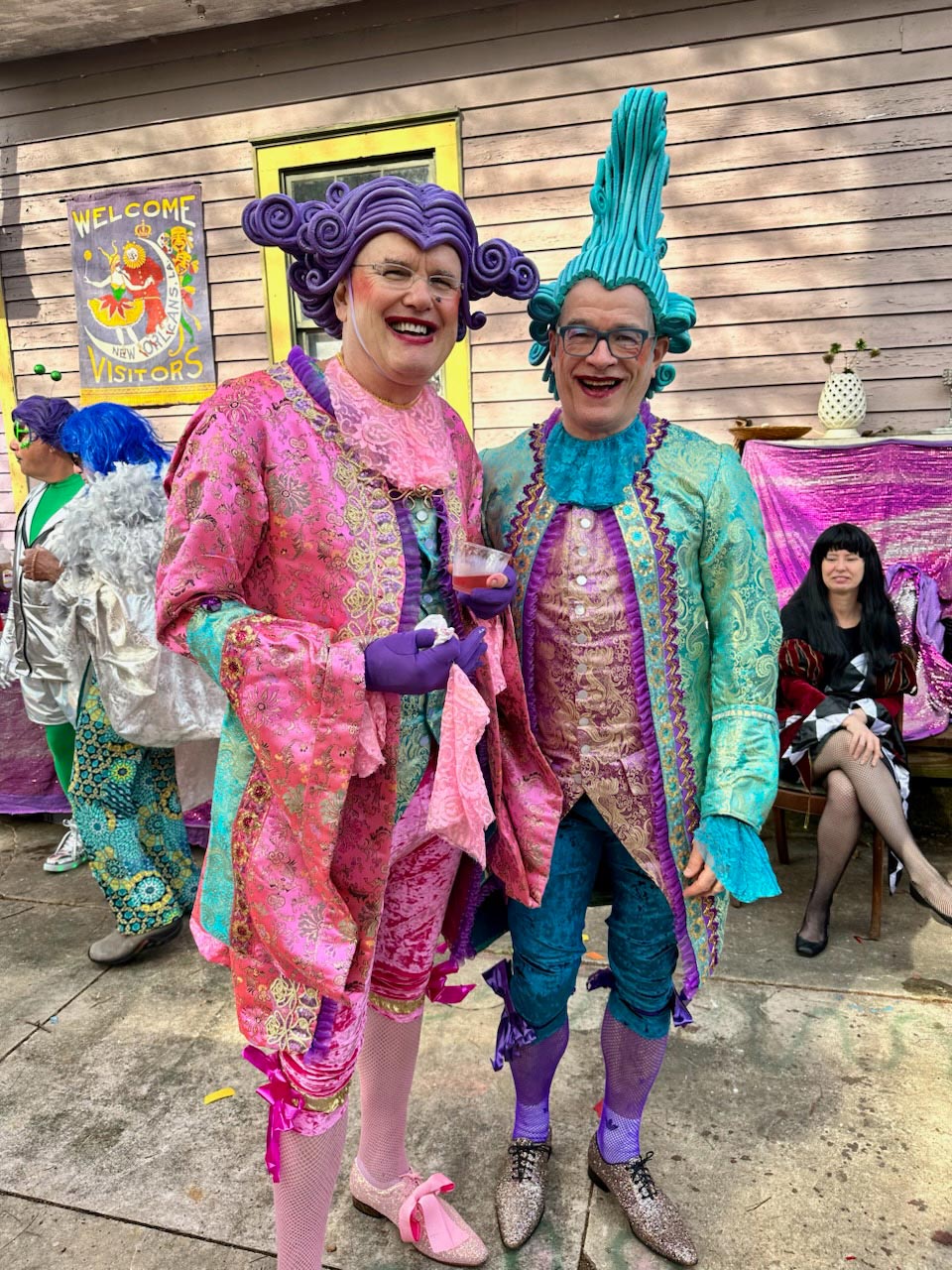

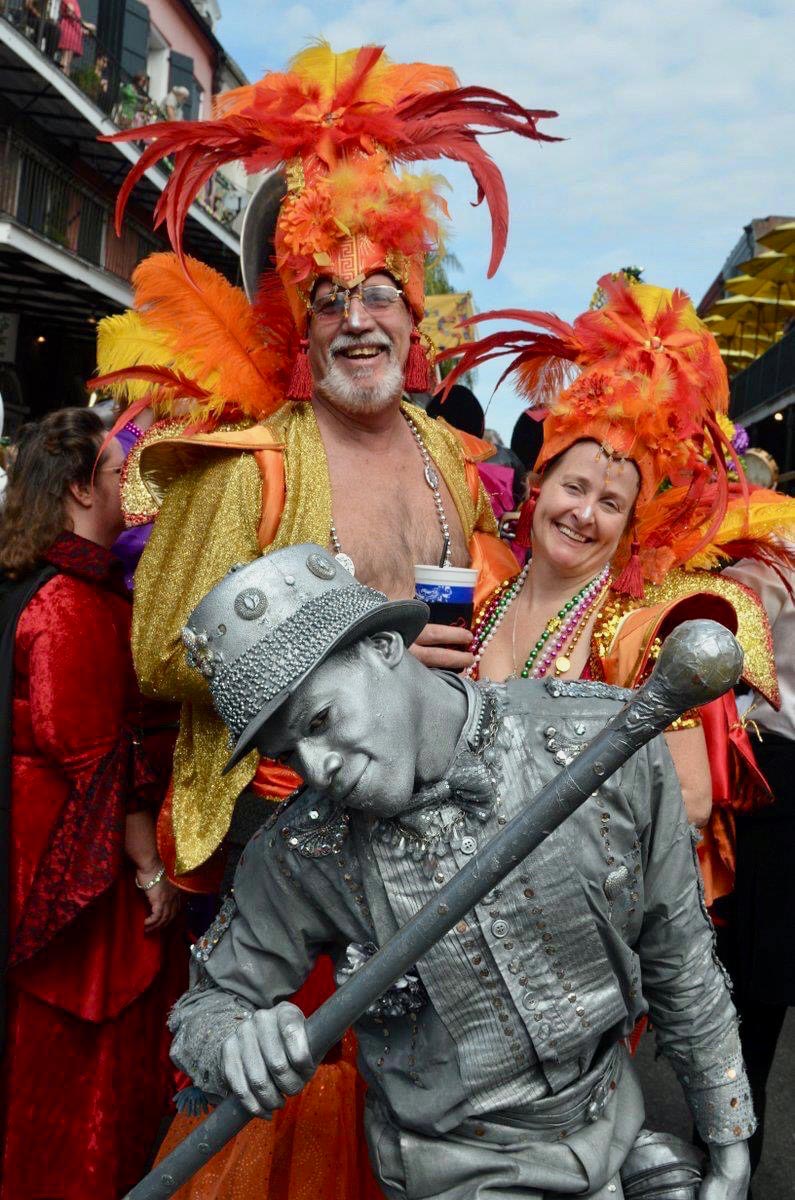
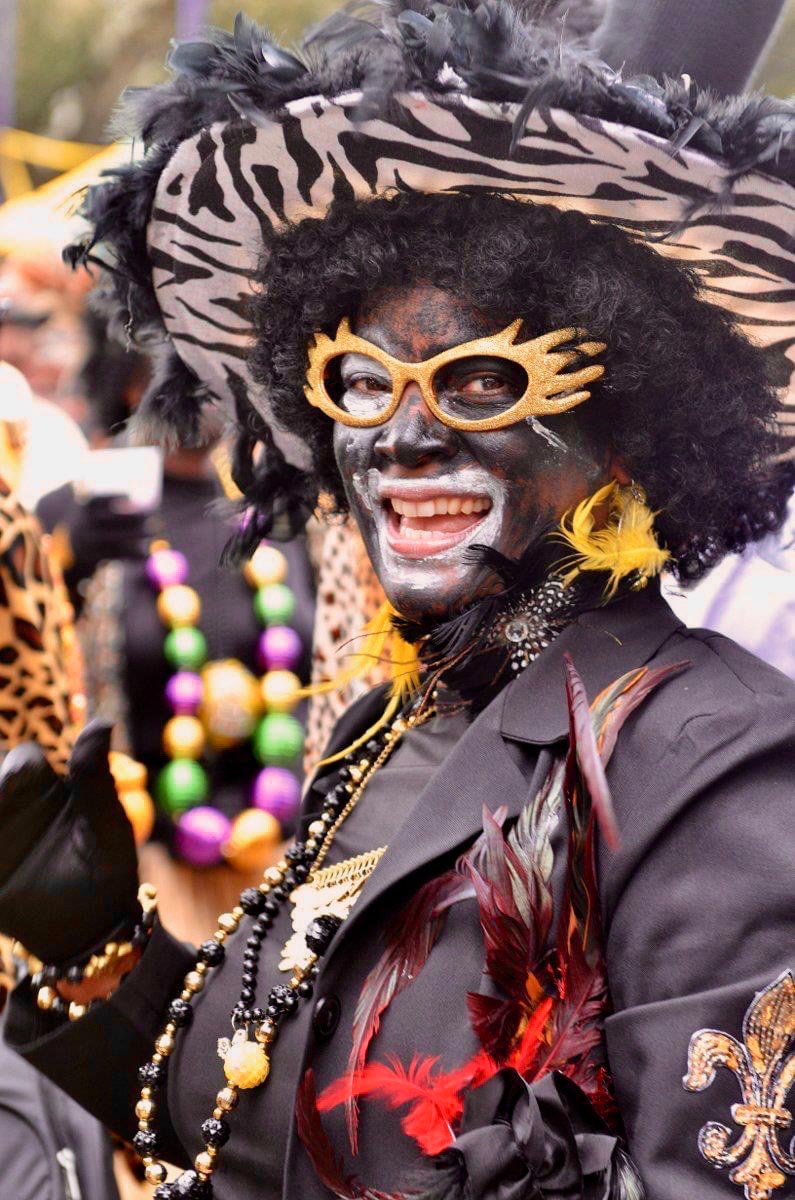
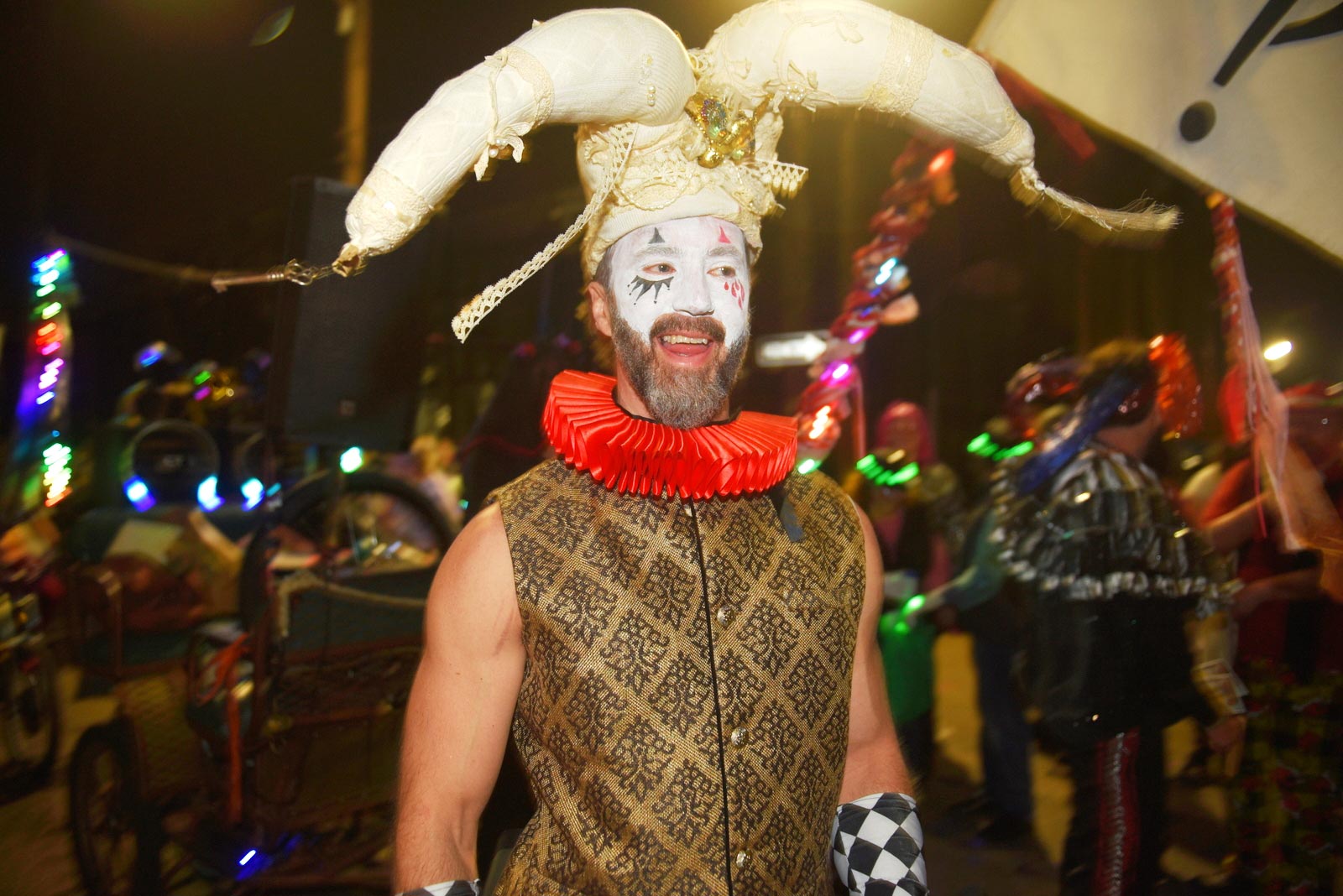
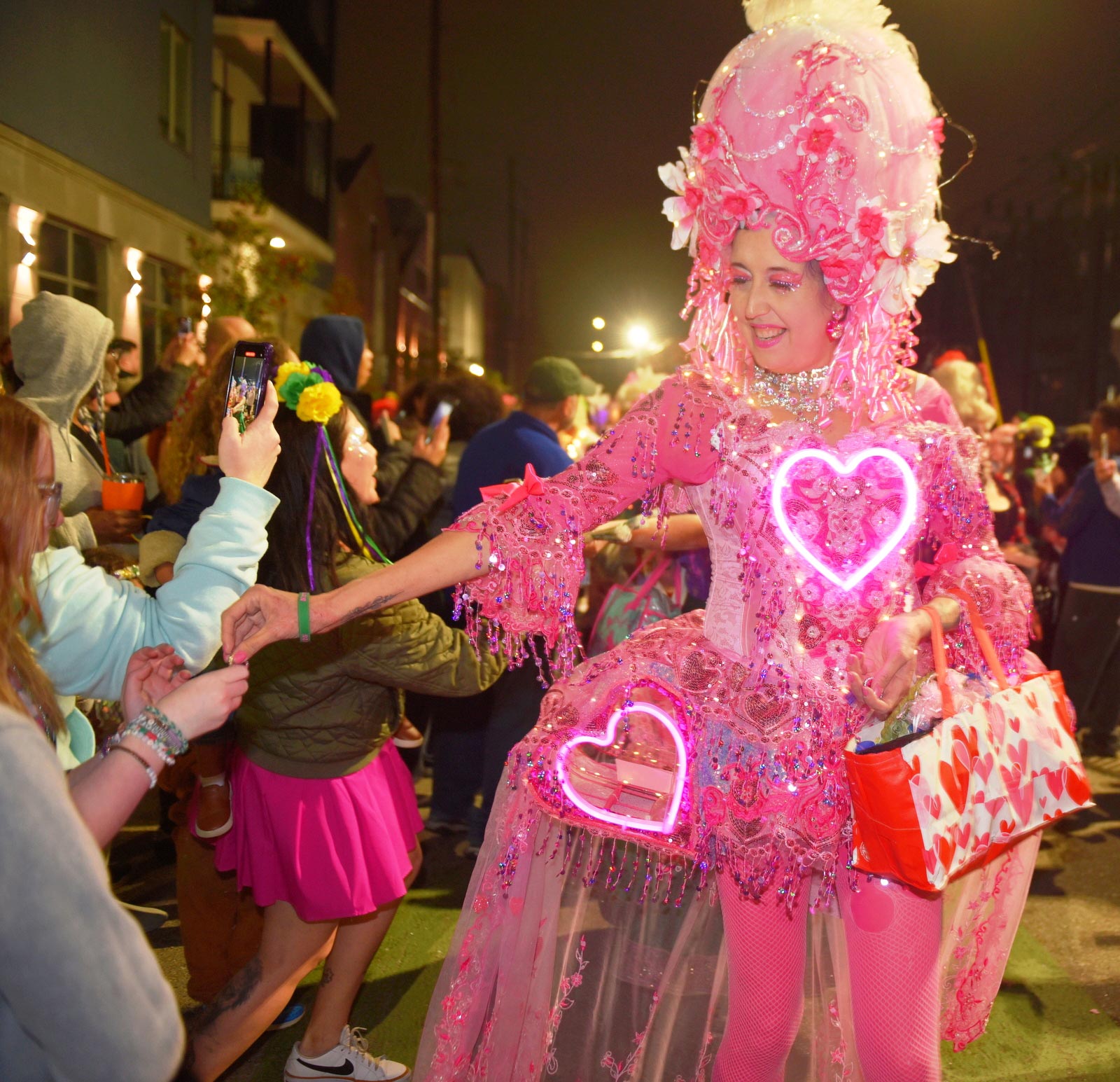
The history of Mardi Gras in New Orleans is vibrant, encompassing various cultural influences dating back to the early 18th century. Originally rooted in European Catholic traditions, the celebration marked the final day of feasting before Lent. Over the years, it evolved into a unique local festival characterized by elaborate parades, masked balls and lively street parties. The establishment of krewes, social organizations that organize the festivities, further shaped the event, introducing themes and elaborate floats and masquerade balls that reflect the city's rich heritage. Today, Mardi Gras stands as a symbol of New Orleans' cultural identity, attracting millions of visitors who come to partake in its joyous and colorful celebrations. That is why Mardi Gras is considered the biggest free party on Earth, and it definitely lives up to the moniker.
Carnival season in the Crescent City begins with Twelfth Night, celebrated on Jan. 6, which is also known as Epiphany. This festive occasion is characterized by parades, elaborate costumes, and the traditional King Cake, symbolizing the arrival of the Three Wise Men. The event serves as a precursor to Mardi Gras as revelers partake in the lively atmosphere filled with music, dancing and community spirit. As the city embraces this rich cultural heritage, Twelfth Night sets the stage for weeks of revelry leading up to the grand finale of Mardi Gras.
The New Orleans king cake is a cherished pastry, characterized by its rich, brioche-like dough often infused with cinnamon and filled with a variety of sweet fillings. It is typically decorated with vibrant icing in purple, green and gold, representing justice, faith and power. A small figurine, usually a baby, is concealed within the cake, and the individual who discovers it is expected to host the next king cake gathering or provide the subsequent cake, fostering a sense of community and enjoyment during the celebrations.
While numerous establishments in the New Orleans area offer this delightful treat, the King Cake Hub, located at 3330 Gravier St., stands out as an exceptional destination. Opening Jan. 6, this popular seasonal pop-up shop opens each year for Carnival season, serving as a central hub where patrons can sample and purchase king cakes from a selection of renowned local bakeries, including Dong Phuong Bakery and Caluda’s Bakery, along with unique flavors and limited-edition options. They also have many other local artists items on sale.
The season's inaugural parades commence Jan. 6, featuring two of the most celebrated events: The Phunny Phorty Phellows, who traverse St. Charles Ave. in a streetcar, and the Joan of Arc Parade, which winds through the French Quarter. Both parades hold significant historical value for the city. The Phunny Phorty Phellows, established in 1878 as a satirical krewe, originally paraded until 1898 before making a notable comeback in 1981. Meanwhile, the Joan of Arc Parade honors the birthday of St. Joan of Arc, paying homage to the city's unofficial patron saint. Participants in this parade pass by the cherished golden statue of Joan, affectionately known as Joanie on the Pony, a gift from France to New Orleans in the 1950s, symbolizing the city's deep-rooted French heritage.
Our parades reflect the diversity of our community, featuring everything from walking parades to grand spectacles led by superkrewes, complete with celebrity grand marshals and cutting-edge fiber optic lighting. Animal enthusiasts can enjoy the Krewe of Barkus, which celebrates our four-legged companions as it parades through the French Quarter. Among the notable walking krewes are the Krewe of Boheme, the sci-fi inspired Krewe of Chewbacchus, and the irreverent Krewe du Vieux, known for its bold satire, adult themes and political humor.
If you want over-the-top spectacle, catch one of the three major Super Krewes with their massive star studded parties following them. These parades take place Thursday through Monday, the week before Mardi Gras Day. The Krewe of Muses, created and made up of all-women, rolls on Thursday and is popular because of their unique throws and sought-after hand-decorated shoes. Endymion rolls on Saturday and concludes with the Endymion Extravaganza at Caesar’s Superdome. The Krewe of Bacchus holds their parade the following night on Sunday, with the Bacchus Bash block party happening in the Warehouse District at Generations Hall. And on Lundi Gras, the Krewe of Orpheus rolls with its large Orpheuscapade happening directly after the parade at the New Orleans Morial Convention Center.
Speaking of festivities on Lundi Gras, the day prior to Mardi Gras, there is a very special and free event that is a real treat to see. The Annual Lundi Gras at Riverwalk’s Spanish Plaza is a true New Orleans tradition. This free and open-to-the-public event features live music from some of New Orleans’ favorite performers, local food and drink vendors, and a fireworks display on the Mississippi. The event culminates with the arrival of Rex, King of Carnival, and his entourage greeting the public and welcoming the King of Zulu. The Mayor of New Orleans traditionally takes the stage to hand over the keys to city to Rex, who declares Fat Tuesday a day of fun and revelry for all. The ceremony is then followed by an extravagant firework display over the River.
Another aspect of Mardi Gras are the extravagant balls. Most are by invitation only, but several of the LGBTQ+ Balls have tickets available to purchase. These Mardi Gras Balls are a time-honored tradition ever since the Krewe of Yuga had their first event. The gay Mardi Gras Krewes host flamboyant Balls with gorgeous costumes. The Krewe of Armeinius, the largest of the LGBTQ+ krewes, has their ball on Feb. 13, 2026 at the Frederick J. Sigur Civic Center in Chalmette.
All these parades, events, balls and parties culminate on Fat Tuesday, Feb. 21, 2026, the final day of the Mardi Gras Season. That is also when the Rex and Zulu Parades roll. Rex has been the symbol of Mardi Gras in New Orleans since his first appearance in 1872. The all-male krewe is responsible for the concept of day parades, for the official Mardi Gras flag and colors – green for faith, gold for power, purple for justice – and for the anthem of Carnival, “If I Ever Cease to Love,” as well as for one of the most popular throws, the doubloon. The Zulu Social Aid & Pleasure Club, founded 1916, is New Orleans' largest predominantly African American carnival organization known for its krewe members wearing grass skirts and its unique throw of hand-painted coconuts. Another Mardi Gras day tradition is The Krewe of St. Anne, also known as The Société of Sainte Anne. They were founded in 1969 by Henri Shindler, Jon Newlin and Paul Poche as a bit of a throwback to the old walking krewes that snaked through the French Quarter during Mardi Gras. These krewes were driven out of the Quarter and soon after, the large tractor pulled and electrified floats that now creep along the streets of Uptown, Mid City and through the suburbs, were created. Today her official starting point depends on who initiated you. Were you initiated at Bud Rips in the Bywater, or at a friend’s house in the Marigny, The R Bar on Royal, or maybe The Golden Lantern if you were too lazy to leave the FQ. It doesn’t really matter. The only requirement to walk is that you know of it. And you must abide by the number one rule: No observers, just participants.
The most glamorous Mardi Gras day tradition is the Bourbon Street Awards which is the ultimate costume contest and takes place on St. Ann and Dauphine Streets in the French Quarter at noon. It has been called “the most famous costume contest in America” and it has been going on since 1964. Dozens of people in colorful, elaborate – often flamboyant – costumes compete for top honors each year. Celebrity drag queen hostesses serve as emcees for the contest and awards ceremonies.
Every aspect of Mardi Gras is a spectacle and a tradition including the end of the night. Mardi Gras season officially ends at the stroke of midnight on Fat Tuesday, the day just before Ash Wednesday. This moment marks a dramatic and symbolic shift, concluding the vibrant Carnival period and ushering in the solemn season of Lent. Guests on Bourbon at midnight on Fat Tuesday will witness a fascinating tradition. The New Orleans Police Department, often on horseback, forms a line and begins a slow, deliberate procession down the street, politely but firmly announcing, “Mardi Gras is over.” People clear the street and the task of cleaning the party remnants from the day’s event begin. But as we know about our city, just because Mardi Gras ends, that does not mean the celebration stops in the City that Time Forgot.
Carnival season in the Crescent City begins with Twelfth Night, celebrated on Jan. 6, which is also known as Epiphany. This festive occasion is characterized by parades, elaborate costumes, and the traditional King Cake, symbolizing the arrival of the Three Wise Men. The event serves as a precursor to Mardi Gras as revelers partake in the lively atmosphere filled with music, dancing and community spirit. As the city embraces this rich cultural heritage, Twelfth Night sets the stage for weeks of revelry leading up to the grand finale of Mardi Gras.
The New Orleans king cake is a cherished pastry, characterized by its rich, brioche-like dough often infused with cinnamon and filled with a variety of sweet fillings. It is typically decorated with vibrant icing in purple, green and gold, representing justice, faith and power. A small figurine, usually a baby, is concealed within the cake, and the individual who discovers it is expected to host the next king cake gathering or provide the subsequent cake, fostering a sense of community and enjoyment during the celebrations.
While numerous establishments in the New Orleans area offer this delightful treat, the King Cake Hub, located at 3330 Gravier St., stands out as an exceptional destination. Opening Jan. 6, this popular seasonal pop-up shop opens each year for Carnival season, serving as a central hub where patrons can sample and purchase king cakes from a selection of renowned local bakeries, including Dong Phuong Bakery and Caluda’s Bakery, along with unique flavors and limited-edition options. They also have many other local artists items on sale.
The season's inaugural parades commence Jan. 6, featuring two of the most celebrated events: The Phunny Phorty Phellows, who traverse St. Charles Ave. in a streetcar, and the Joan of Arc Parade, which winds through the French Quarter. Both parades hold significant historical value for the city. The Phunny Phorty Phellows, established in 1878 as a satirical krewe, originally paraded until 1898 before making a notable comeback in 1981. Meanwhile, the Joan of Arc Parade honors the birthday of St. Joan of Arc, paying homage to the city's unofficial patron saint. Participants in this parade pass by the cherished golden statue of Joan, affectionately known as Joanie on the Pony, a gift from France to New Orleans in the 1950s, symbolizing the city's deep-rooted French heritage.
Our parades reflect the diversity of our community, featuring everything from walking parades to grand spectacles led by superkrewes, complete with celebrity grand marshals and cutting-edge fiber optic lighting. Animal enthusiasts can enjoy the Krewe of Barkus, which celebrates our four-legged companions as it parades through the French Quarter. Among the notable walking krewes are the Krewe of Boheme, the sci-fi inspired Krewe of Chewbacchus, and the irreverent Krewe du Vieux, known for its bold satire, adult themes and political humor.
If you want over-the-top spectacle, catch one of the three major Super Krewes with their massive star studded parties following them. These parades take place Thursday through Monday, the week before Mardi Gras Day. The Krewe of Muses, created and made up of all-women, rolls on Thursday and is popular because of their unique throws and sought-after hand-decorated shoes. Endymion rolls on Saturday and concludes with the Endymion Extravaganza at Caesar’s Superdome. The Krewe of Bacchus holds their parade the following night on Sunday, with the Bacchus Bash block party happening in the Warehouse District at Generations Hall. And on Lundi Gras, the Krewe of Orpheus rolls with its large Orpheuscapade happening directly after the parade at the New Orleans Morial Convention Center.
Speaking of festivities on Lundi Gras, the day prior to Mardi Gras, there is a very special and free event that is a real treat to see. The Annual Lundi Gras at Riverwalk’s Spanish Plaza is a true New Orleans tradition. This free and open-to-the-public event features live music from some of New Orleans’ favorite performers, local food and drink vendors, and a fireworks display on the Mississippi. The event culminates with the arrival of Rex, King of Carnival, and his entourage greeting the public and welcoming the King of Zulu. The Mayor of New Orleans traditionally takes the stage to hand over the keys to city to Rex, who declares Fat Tuesday a day of fun and revelry for all. The ceremony is then followed by an extravagant firework display over the River.
Another aspect of Mardi Gras are the extravagant balls. Most are by invitation only, but several of the LGBTQ+ Balls have tickets available to purchase. These Mardi Gras Balls are a time-honored tradition ever since the Krewe of Yuga had their first event. The gay Mardi Gras Krewes host flamboyant Balls with gorgeous costumes. The Krewe of Armeinius, the largest of the LGBTQ+ krewes, has their ball on Feb. 13, 2026 at the Frederick J. Sigur Civic Center in Chalmette.
All these parades, events, balls and parties culminate on Fat Tuesday, Feb. 21, 2026, the final day of the Mardi Gras Season. That is also when the Rex and Zulu Parades roll. Rex has been the symbol of Mardi Gras in New Orleans since his first appearance in 1872. The all-male krewe is responsible for the concept of day parades, for the official Mardi Gras flag and colors – green for faith, gold for power, purple for justice – and for the anthem of Carnival, “If I Ever Cease to Love,” as well as for one of the most popular throws, the doubloon. The Zulu Social Aid & Pleasure Club, founded 1916, is New Orleans' largest predominantly African American carnival organization known for its krewe members wearing grass skirts and its unique throw of hand-painted coconuts. Another Mardi Gras day tradition is The Krewe of St. Anne, also known as The Société of Sainte Anne. They were founded in 1969 by Henri Shindler, Jon Newlin and Paul Poche as a bit of a throwback to the old walking krewes that snaked through the French Quarter during Mardi Gras. These krewes were driven out of the Quarter and soon after, the large tractor pulled and electrified floats that now creep along the streets of Uptown, Mid City and through the suburbs, were created. Today her official starting point depends on who initiated you. Were you initiated at Bud Rips in the Bywater, or at a friend’s house in the Marigny, The R Bar on Royal, or maybe The Golden Lantern if you were too lazy to leave the FQ. It doesn’t really matter. The only requirement to walk is that you know of it. And you must abide by the number one rule: No observers, just participants.
The most glamorous Mardi Gras day tradition is the Bourbon Street Awards which is the ultimate costume contest and takes place on St. Ann and Dauphine Streets in the French Quarter at noon. It has been called “the most famous costume contest in America” and it has been going on since 1964. Dozens of people in colorful, elaborate – often flamboyant – costumes compete for top honors each year. Celebrity drag queen hostesses serve as emcees for the contest and awards ceremonies.
Every aspect of Mardi Gras is a spectacle and a tradition including the end of the night. Mardi Gras season officially ends at the stroke of midnight on Fat Tuesday, the day just before Ash Wednesday. This moment marks a dramatic and symbolic shift, concluding the vibrant Carnival period and ushering in the solemn season of Lent. Guests on Bourbon at midnight on Fat Tuesday will witness a fascinating tradition. The New Orleans Police Department, often on horseback, forms a line and begins a slow, deliberate procession down the street, politely but firmly announcing, “Mardi Gras is over.” People clear the street and the task of cleaning the party remnants from the day’s event begin. But as we know about our city, just because Mardi Gras ends, that does not mean the celebration stops in the City that Time Forgot.
