
November 19, 2025
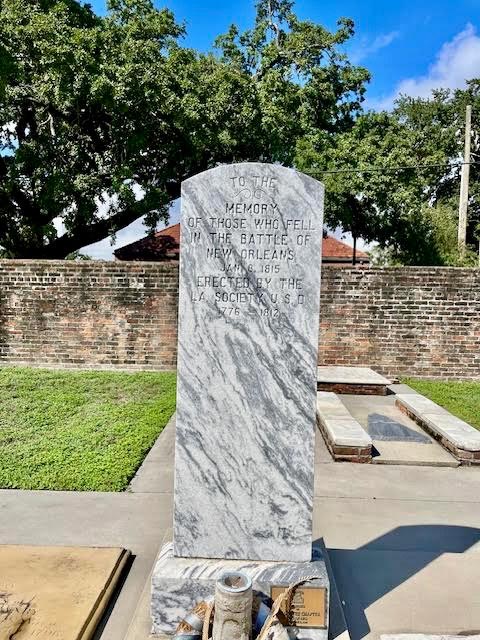
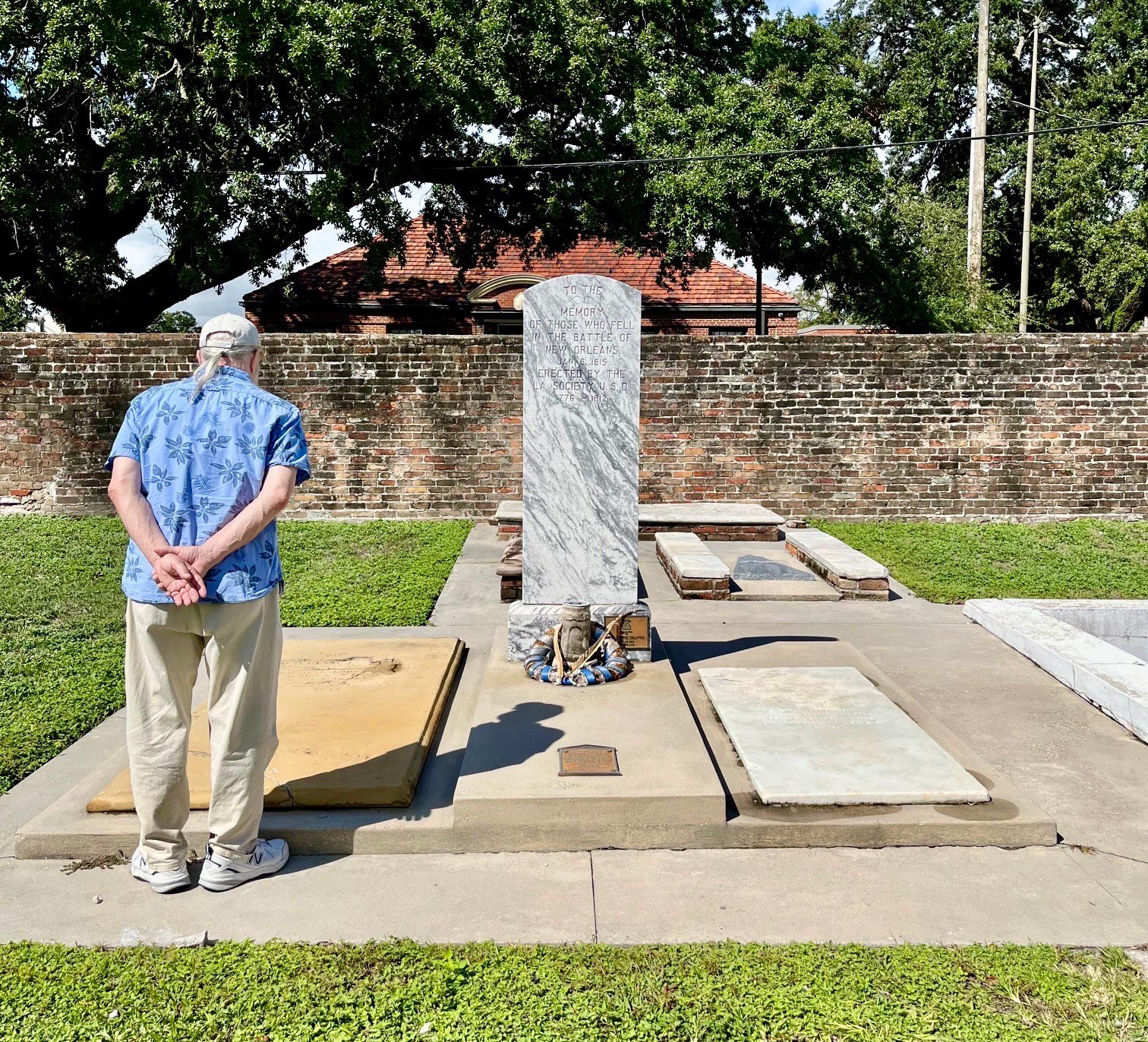

In the heart of New Orleans, just behind the bustle of the French Quarter, lies a place where time feels suspended: St. Louis Cemetery No. 1. Founded in 1789 under Spanish royal decree, it is the city’s oldest extant cemetery. Here, the city of the living and the city of the dead are awfully close, layered one upon the other, in marble, sand and memory.
A Time-Capsule of New Orleans
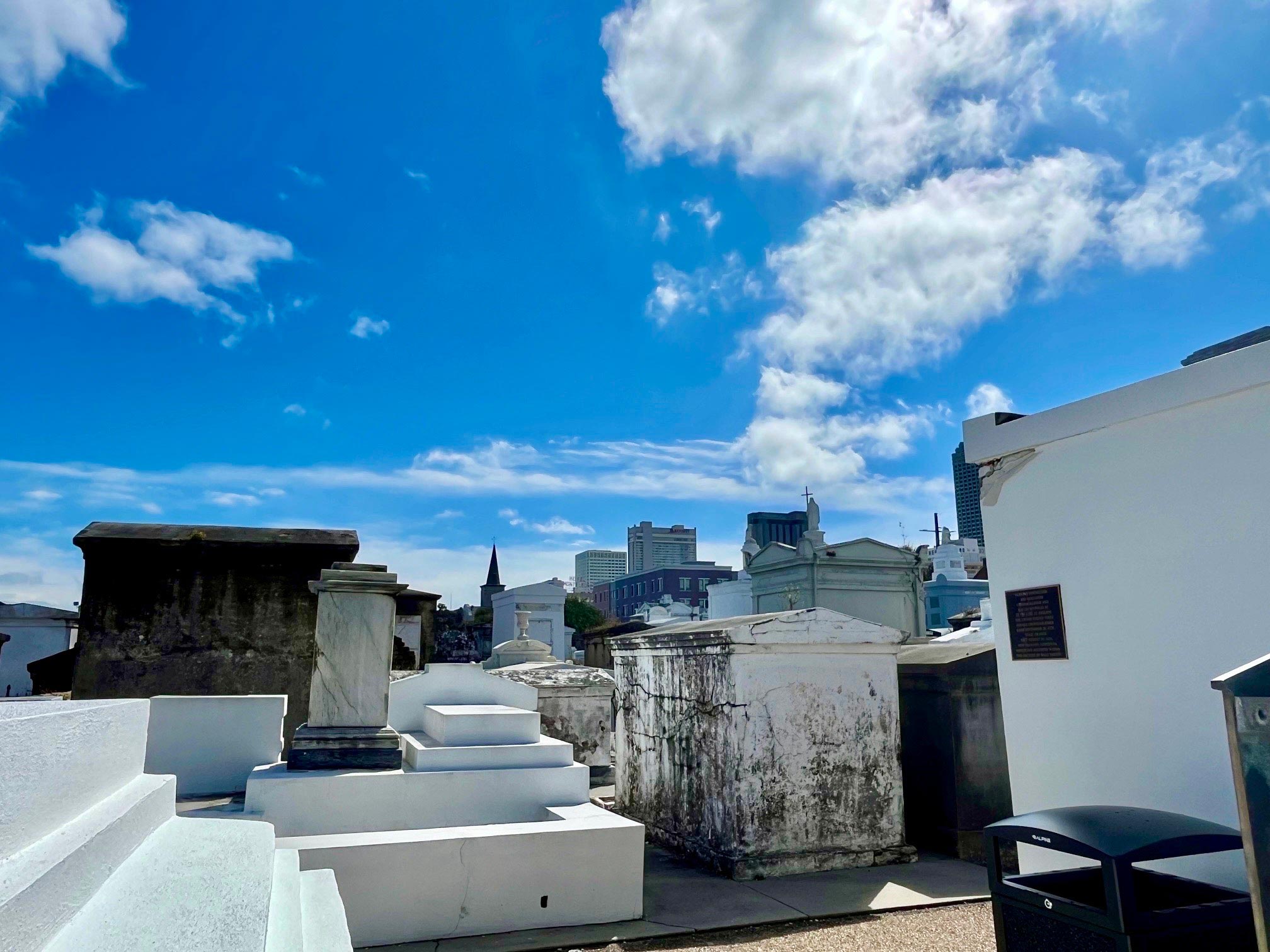
The cemetery stands as a testament to the unique geology and social history of New Orleans. Because of the high-water table and frequent flooding, in-ground burials proved impractical. Instead, above-ground tombs became the norm, and St. Louis Cemetery No. 1 is full of them: rows of family vaults, society tombs, ornate graves of every hue and design. Among its residents are figures who shaped the city and beyond: the legendary voodoo-queen Marie Laveau, the pioneering mayor Étienne de Bouré, and the civil-rights activist Homer Plessy, whose name lives on in law and memory.
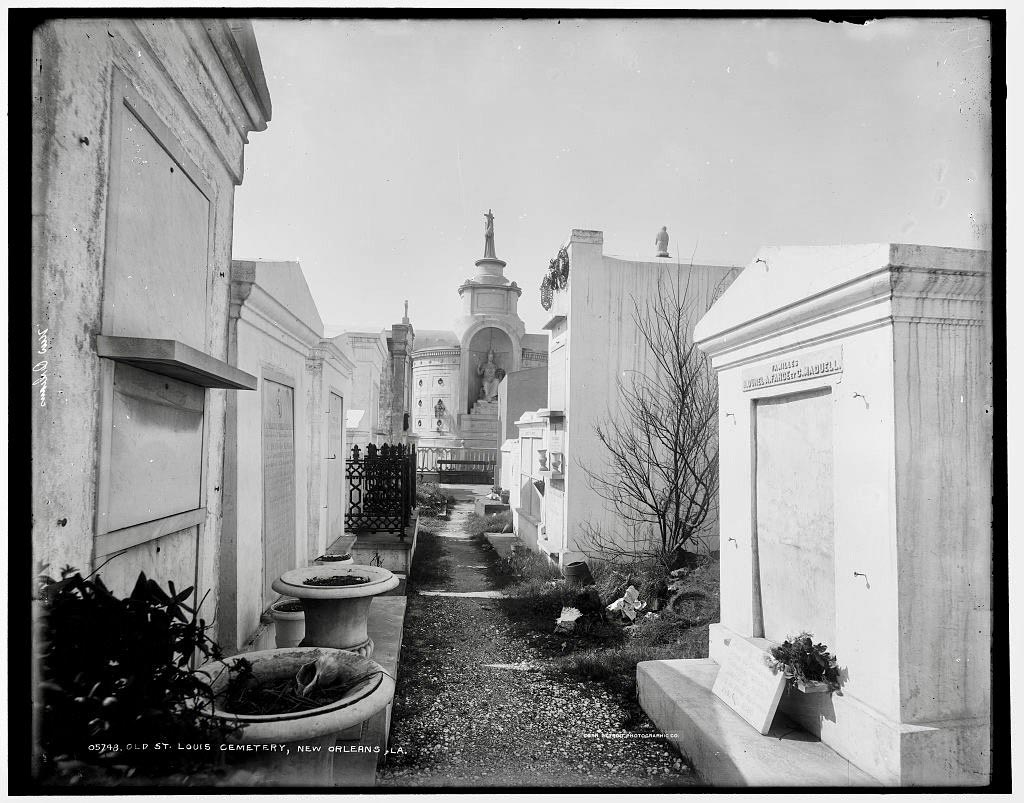
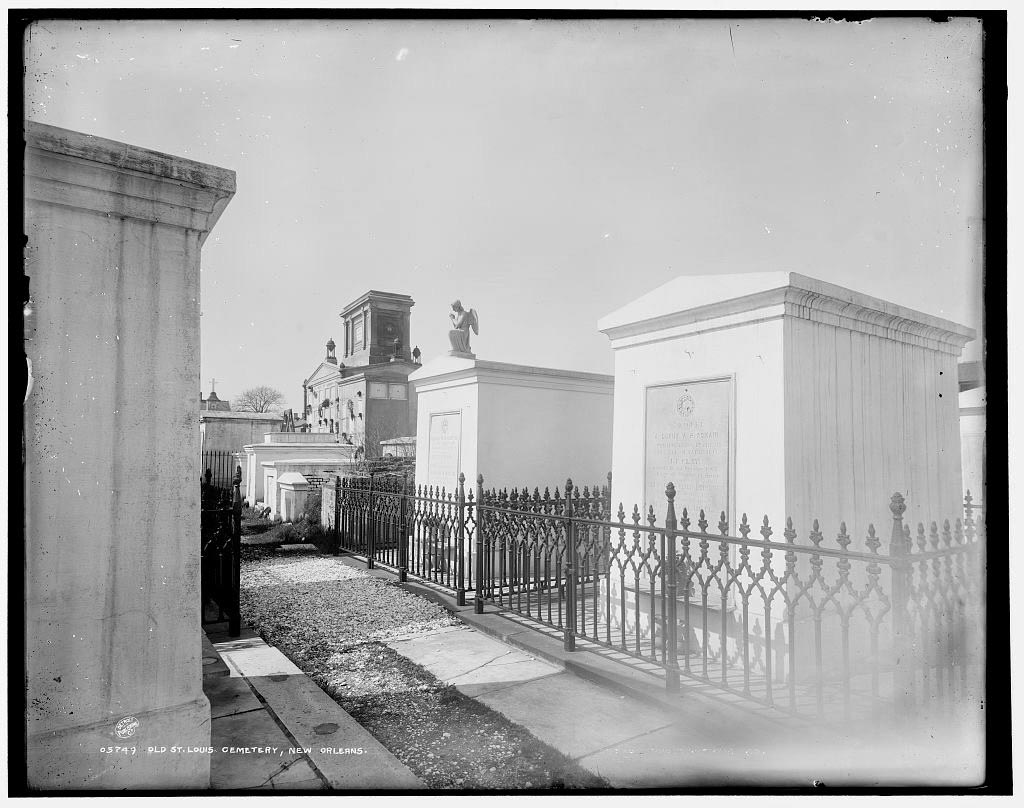
Walk the narrow aisles of this cemetery and you feel you’re walking through history. The crusted bricks, iron railings sculpted angels are all voices from a past that refuses to be buried. As the novelist William Faulkner once wrote, “The past isn’t dead and buried. It’s not even past.” Here, that rings especially true.
New Opportunities: The “City of the Dead” Opens Anew
But as much as St. Louis Cemetery No. 1 is a museum of the dead, it is also still very much alive. It remains an active burial ground, and perhaps more intriguingly, recent announcements show new offerings for memorialization in the historic grounds.
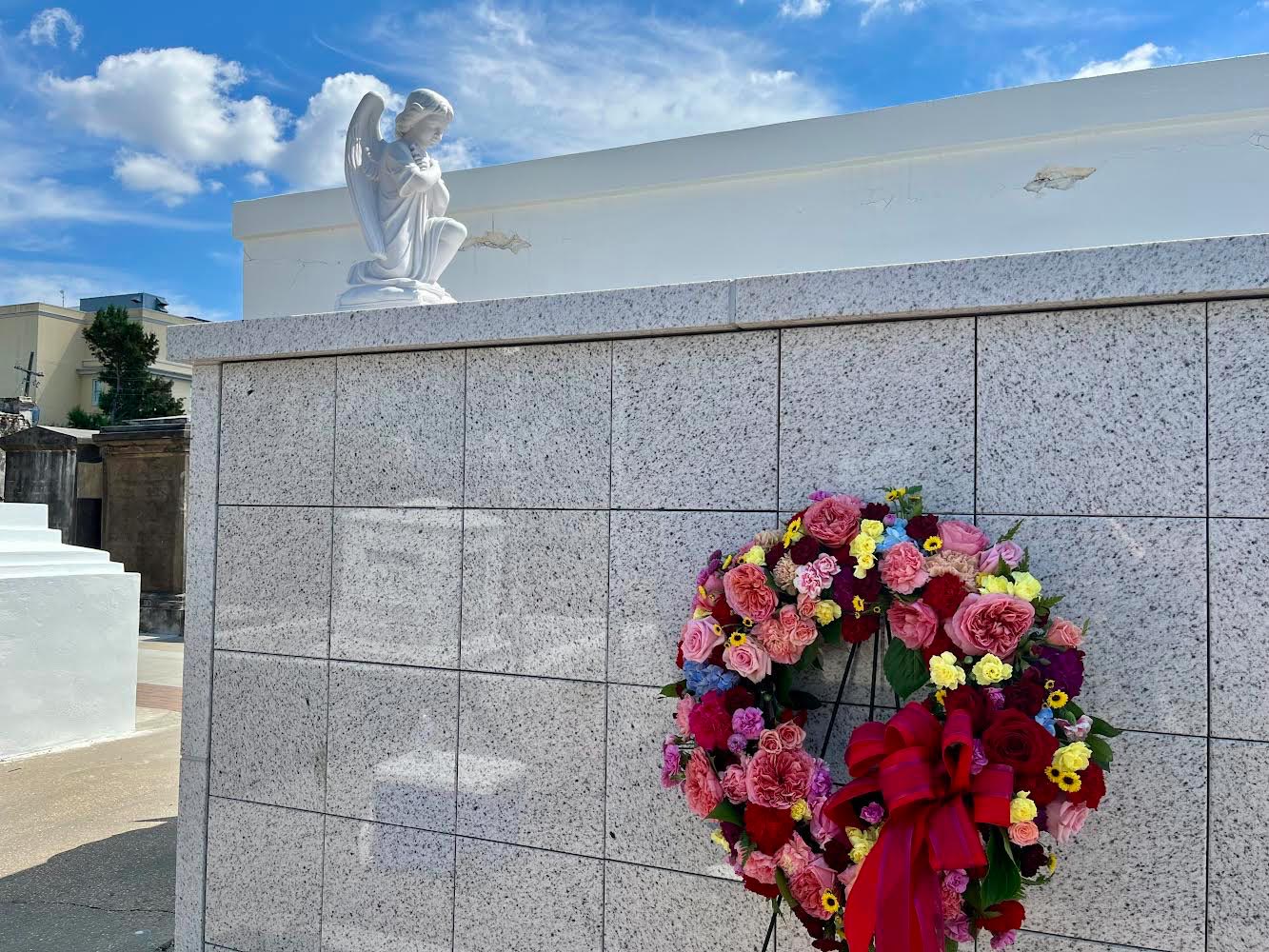
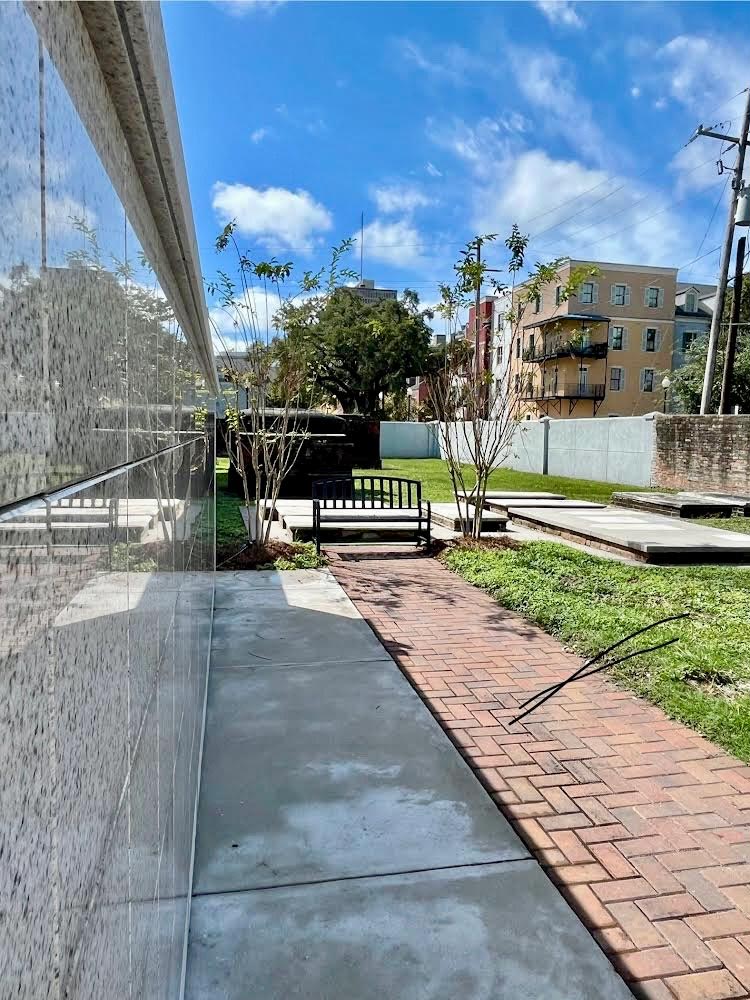
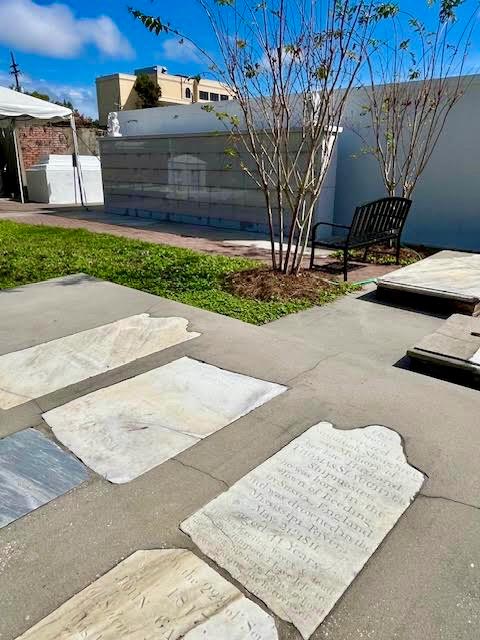
New Orleans Catholic Cemeteries, offers the “Holy Angels Columbarium” at St. Louis Cemetery No. 1, a structure now complete and topped with two beautiful marble angels. Here, niches for cremated remains are being offered. A new brick walkway, a bench, and trees will accompany this columbarium, integrating it into the historic landscape. What It Means, and Why It Matters
To claim a niche in St. Louis Cemetery No. 1 is to link one’s memory to a place thick with meaning. It’s a chance to rest, or have one’s remains rest, in the midst of New Orleans’ layered past: French, Spanish, Creole, American; voodoo and jazz; antebellum grandeur and modern tourism.
This isn’t just cemetery real estate, it’s a historic moment. Many might think that the “plots” of old are all gone. Indeed, other sources say there are “no plots available at the moment” in the traditional ground sense. But here, the term “plot” evolves: what is being offered is niches in a columbarium: a modern way to memorialize in a graveyard whose traditions are anything but modern.
For families and individuals planning ahead, the advantage is clear: to rest in proximity to influences that shaped an American city … to be near the tomb of Marie Laveau, for instance, or the vault of Homer Plessy. For those who love the Quarter so much they wish to be near it forever, this is where you want to be.
Final Reflections
Whether you come to tour the tombs, to walk among angels, or to claim a niche beside history, St. Louis Cemetery No. 1 offers a unique invitation: to be part of a city’s long story. It is not merely a bottomless ledger of names, but an accumulation of lives, eras, beliefs and futures.
If you are interested in exploring one of these new offerings for yourself or for someone you love, now is the moment. The columbarium niches are available. The bronze plaques await names. And the great vault-lined avenues of one of New Orleans’ most legendary cemeteries stand ready to open their arms. Call (504) 227-3235 and speak to Mel Byrd about this opportunity.
In the end, to rest here is to connect, not just to a loved one’s memory, but to a place whose many voices still speak, and whose past, as Faulkner suggested, is very much alive.
A Time-Capsule of New Orleans
The cemetery stands as a testament to the unique geology and social history of New Orleans. Because of the high-water table and frequent flooding, in-ground burials proved impractical. Instead, above-ground tombs became the norm, and St. Louis Cemetery No. 1 is full of them: rows of family vaults, society tombs, ornate graves of every hue and design. Among its residents are figures who shaped the city and beyond: the legendary voodoo-queen Marie Laveau, the pioneering mayor Étienne de Bouré, and the civil-rights activist Homer Plessy, whose name lives on in law and memory.
Walk the narrow aisles of this cemetery and you feel you’re walking through history. The crusted bricks, iron railings sculpted angels are all voices from a past that refuses to be buried. As the novelist William Faulkner once wrote, “The past isn’t dead and buried. It’s not even past.” Here, that rings especially true.
New Opportunities: The “City of the Dead” Opens Anew
But as much as St. Louis Cemetery No. 1 is a museum of the dead, it is also still very much alive. It remains an active burial ground, and perhaps more intriguingly, recent announcements show new offerings for memorialization in the historic grounds.
New Orleans Catholic Cemeteries, offers the “Holy Angels Columbarium” at St. Louis Cemetery No. 1, a structure now complete and topped with two beautiful marble angels. Here, niches for cremated remains are being offered. A new brick walkway, a bench, and trees will accompany this columbarium, integrating it into the historic landscape. What It Means, and Why It Matters
To claim a niche in St. Louis Cemetery No. 1 is to link one’s memory to a place thick with meaning. It’s a chance to rest, or have one’s remains rest, in the midst of New Orleans’ layered past: French, Spanish, Creole, American; voodoo and jazz; antebellum grandeur and modern tourism.
This isn’t just cemetery real estate, it’s a historic moment. Many might think that the “plots” of old are all gone. Indeed, other sources say there are “no plots available at the moment” in the traditional ground sense. But here, the term “plot” evolves: what is being offered is niches in a columbarium: a modern way to memorialize in a graveyard whose traditions are anything but modern.
For families and individuals planning ahead, the advantage is clear: to rest in proximity to influences that shaped an American city … to be near the tomb of Marie Laveau, for instance, or the vault of Homer Plessy. For those who love the Quarter so much they wish to be near it forever, this is where you want to be.
Final Reflections
Whether you come to tour the tombs, to walk among angels, or to claim a niche beside history, St. Louis Cemetery No. 1 offers a unique invitation: to be part of a city’s long story. It is not merely a bottomless ledger of names, but an accumulation of lives, eras, beliefs and futures.
If you are interested in exploring one of these new offerings for yourself or for someone you love, now is the moment. The columbarium niches are available. The bronze plaques await names. And the great vault-lined avenues of one of New Orleans’ most legendary cemeteries stand ready to open their arms. Call (504) 227-3235 and speak to Mel Byrd about this opportunity.
In the end, to rest here is to connect, not just to a loved one’s memory, but to a place whose many voices still speak, and whose past, as Faulkner suggested, is very much alive.
